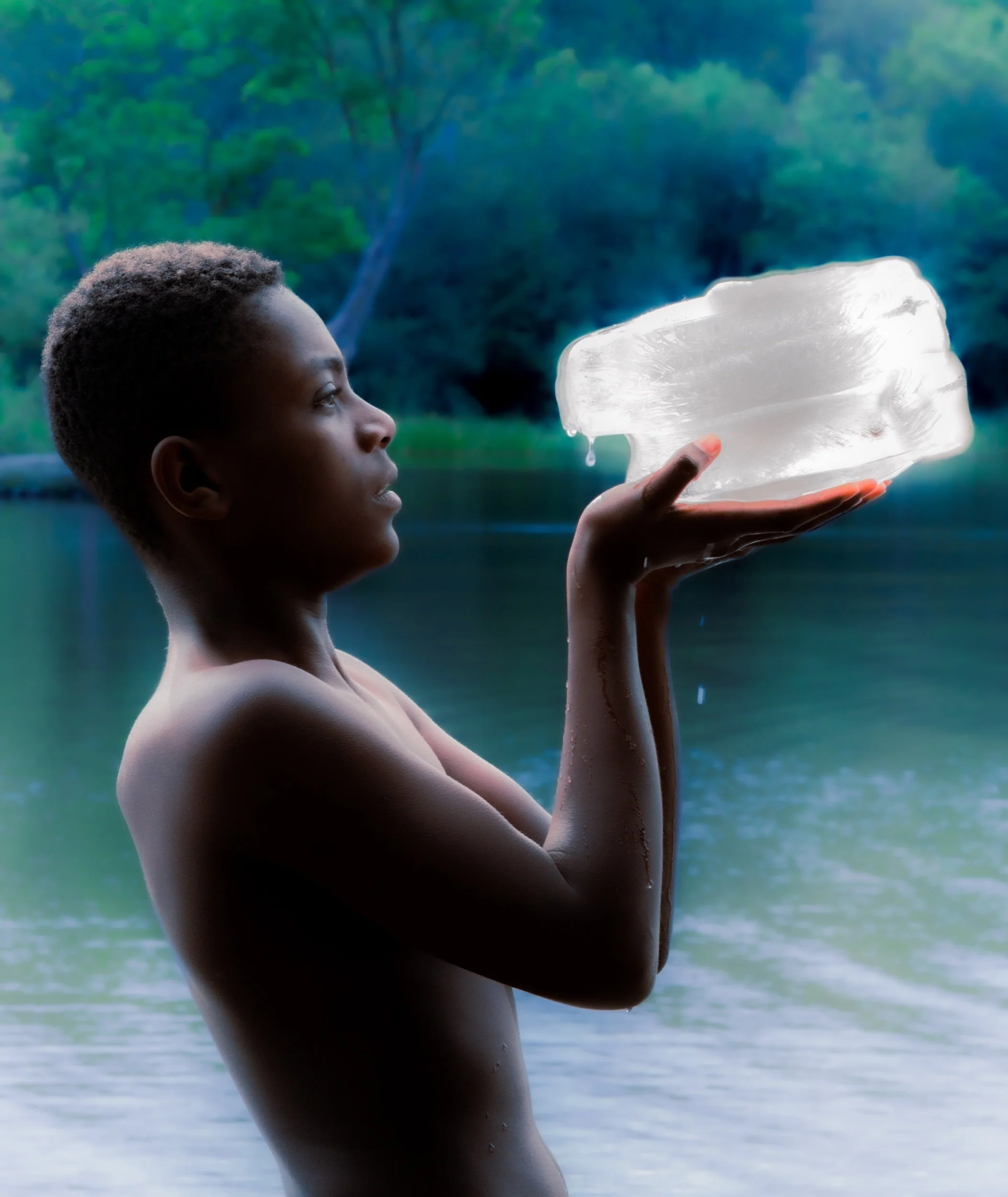
Arctic sea ice is one of the most dramatic indicators of the changing climate. Ice cover on the Arctic Ocean is in some months about half of what it was decades ago, and its thickness has shrunk, by 40%. Arctic sea ice extent has declined significantly in all months since satellite measurements began in 1979.
Climate induced disasters have been increasingly influenced by human activities such as deforestation, land clearances, burning fossil fuels, over-fishing and farming livestock, adding copious amounts of greenhouse gases into the atmosphere and increasing global warming. Although geographically distant, each harmful activity amplifies the other, creating a domino-effect like events. Cascading climate changes are happening with more speed and ferocity than predicted.
With persistent harmful practices towards our planet means for a chaotic and hostile environment for generations to come. Unless bold action is taken by governments and policy makers that can put significantly less strain on the planet, every child will be profoundly affected by climate change. Climate domino-effect like events such as wildfires, droughts, air pollution, floods, heatwaves, are only some of the impact’s children will have to live with. Increasing poverty, hunger and loss of cultural heritage due to displacement from extreme weathers will further burden children, depending on where they live and their socio-economic background however, all will face some impacts of climate change. Children have contributed the least to the climate crisis but will pay the highest price and will continue to bear the weight of past generations destructive climate activities. There is a huge wave of uncertainty about the kind of planet future generations will inherit.
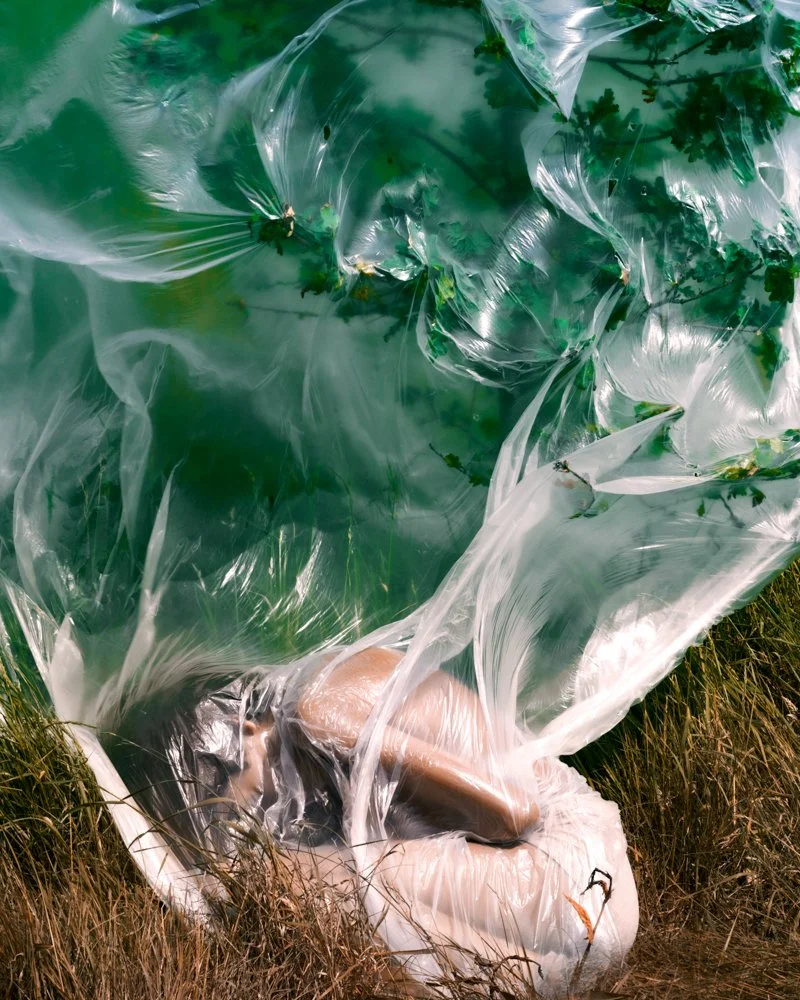
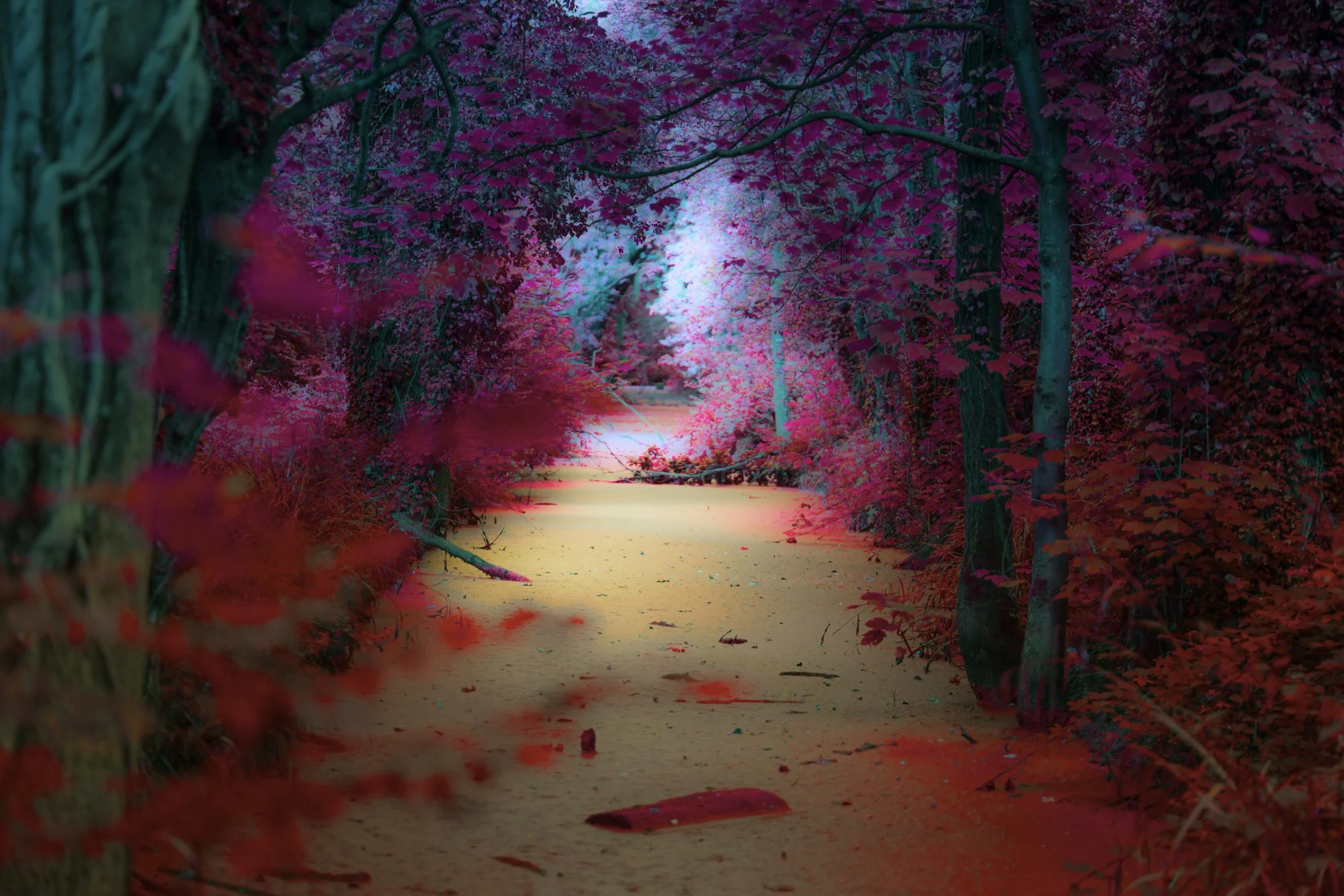
I am exploring the terrain of the subconscious mind, through a series of surreal landscapes. Surrealism was about finding the bridge between the subconscious and the reality. With our imagination, we can do better than merely adapting to a new environment. We can create a new environment for ourselves by tapping into our subconscious mind, which will then reflect in our outer world.
The landscapes depict elusive imagery of dreams, radical transformations and fantasy; breaking free from the conditioned mind to explore beyond what is merely in front of us. To imagine better than the best we know from our subconscious; thus harmonising our relationship with ourselves and the natural world.
There are visual repetitions in this travel story consisting of hanging laundry. I have used the hanging laundry as a metaphor for the transparency and openness of Italian culture, where lives are lived openly and visibly.
I wanted to highlight how the clothes almost act as flags of identity, signalling the presence and individuality of those living behind the windows.
By focusing on these aspects, this photo story offers a rich, nuanced portrayal of Italian life through the lens of windows and laundry, creating a tapestry of human identity and everyday existence. Clothing plays a vital role in human expression, and how we perceive ourselves and how others perceive us. Our choice of attire reflects our values, interests, and personality, allowing us to express our unique identity to the world. Without the presence of humans in these images we are still given a glimpse into their lives through their hanging laundry.
From the series ‘The Illusion of separation’
The greatest Illusion in this world is the illusion of separation and is ultimately the cause of the negative human impact we continue to have on our planet. In this series I am researching ancient wisdom from Sikh and Hindu theology to address these contemporary issues, such as the way we live, consume and act. The Goddess Maya means illusion, that which is temporary and is the one who blinds everything in illusion, but at the same time, she’s the one who shows the truth. She’s the source of all illusions, stating that we view life through a series of distorting veils that prevent us from seeing "actual reality"
I am interested in exploring these veils of Maya (an illusion) where we consider our separateness from our environment and the universe as absolute. The problem lies with us and our own consciousness, we continue to deplete and destroy the very nature that we are so intrinsically a part of. Humankind is but one thread within the web of life so whatever we do to that web, we do to ourselves. All things are connected and all things are bound together. We are one of the many shapes nature has taken but Maya, the veil of illusion masks the truth of our reality. We need to address this disconnectedness and the damaging impact the human species is having on this planet of ours. We need to evolve past this illusion and our dominance over this planet in order to be beneficial to the whole.
Island of Offerings is a photographic essay exploring Bali as a living landscape shaped by ritual, labour, and belief—where spirituality is woven into everyday life rather than set apart from it.
Moving beyond familiar images of paradise, the work focuses on intimate moments of devotion and endurance. Offerings placed on earth and water, bodies immersed in ritual, and human presence embedded within the land form a quiet visual language through which belief is sustained rather than performed.
While tourism has reshaped parts of the island’s surface, it has not severed the deeper relationship between people, land, and spirit. Beneath the visibility of visitors and spectacle, spiritual practices continue to anchor daily life, grounded in soil, water, and communal memory.
The images trace how meaning persists through repetition and care, revealing a culture sustained by reciprocity and balance. Rather than presenting Bali as a destination, Island of Offerings observes it as a lived system—one shaped by resilience, continuity, and an enduring connection to place.